Scaling Belonging: Strategic Advocacy and Leadership for 30,000 Students
![[background image] image of contact office (for a general contractor)](https://cdn.prod.website-files.com/689687db816830fc9288fc79/6954844d70b0b4d5760a1c52_25_Peer%20mentors-52_remastered.jpg)
The Analysis Breakdown
How it began?
At a major research institution like UC Davis, the "student experience" is often treated as a series of administrative metrics—attendance, retention, and GPA. However, for first-generation and international students, a "hidden curriculum" of unspoken rules creates a barrier to true integration.The Pain Point: Administrators were measuring "success" through compliance (completing tasks) rather than "belonging" (emotional connection).The Constraint: Navigating the bureaucratic limitations and siloed departments of a large-scale university while managing a diverse student staff of 15.
![[background image] image of a creative workspace (for a tattoo studio)](https://cdn.prod.website-files.com/689687db816830fc9288fc79/6955f36c7518df3205733903_20241002_194022.jpg)
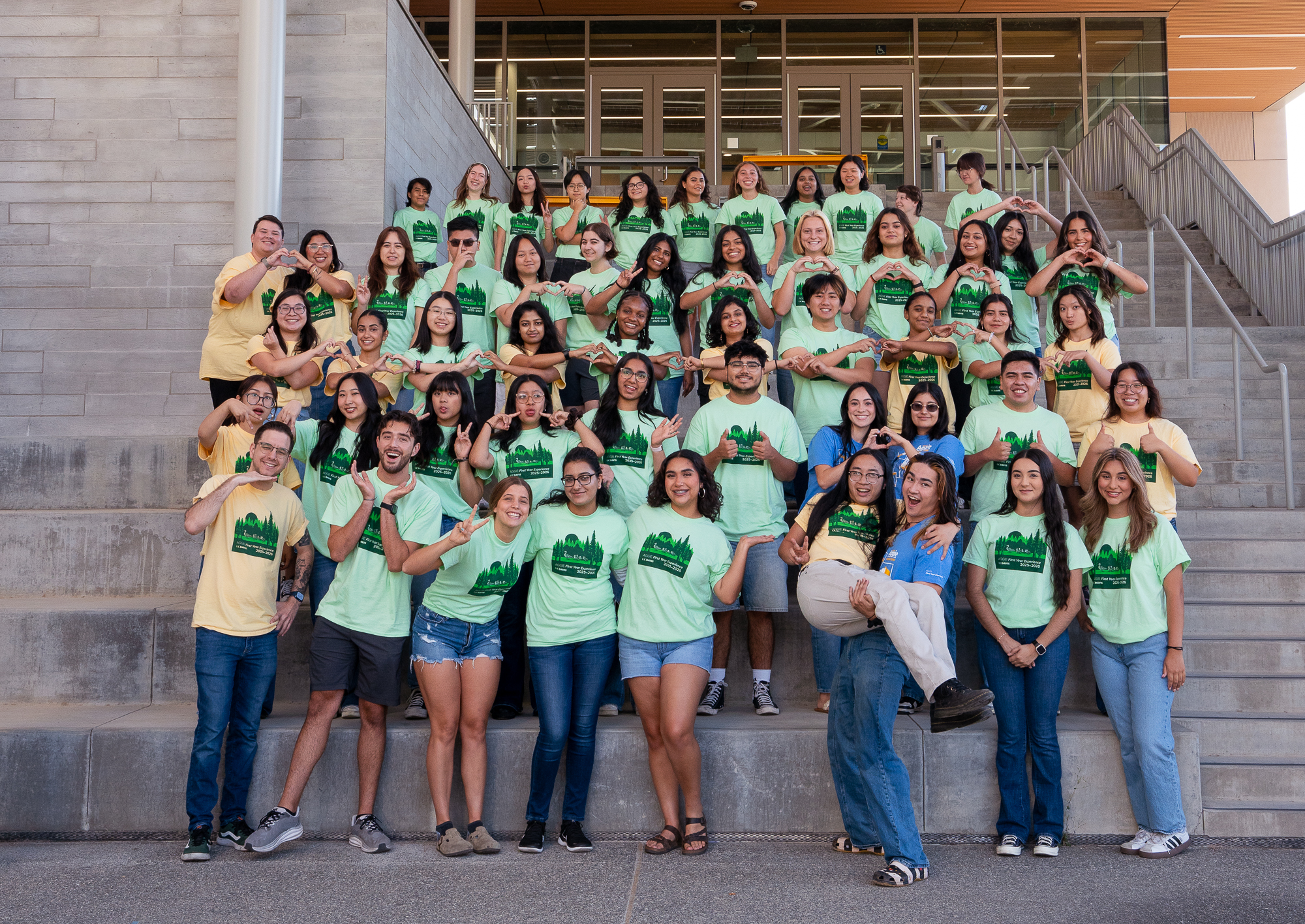
The Amazing Staff
Always focused on what people need, making products that feel easy and natural.
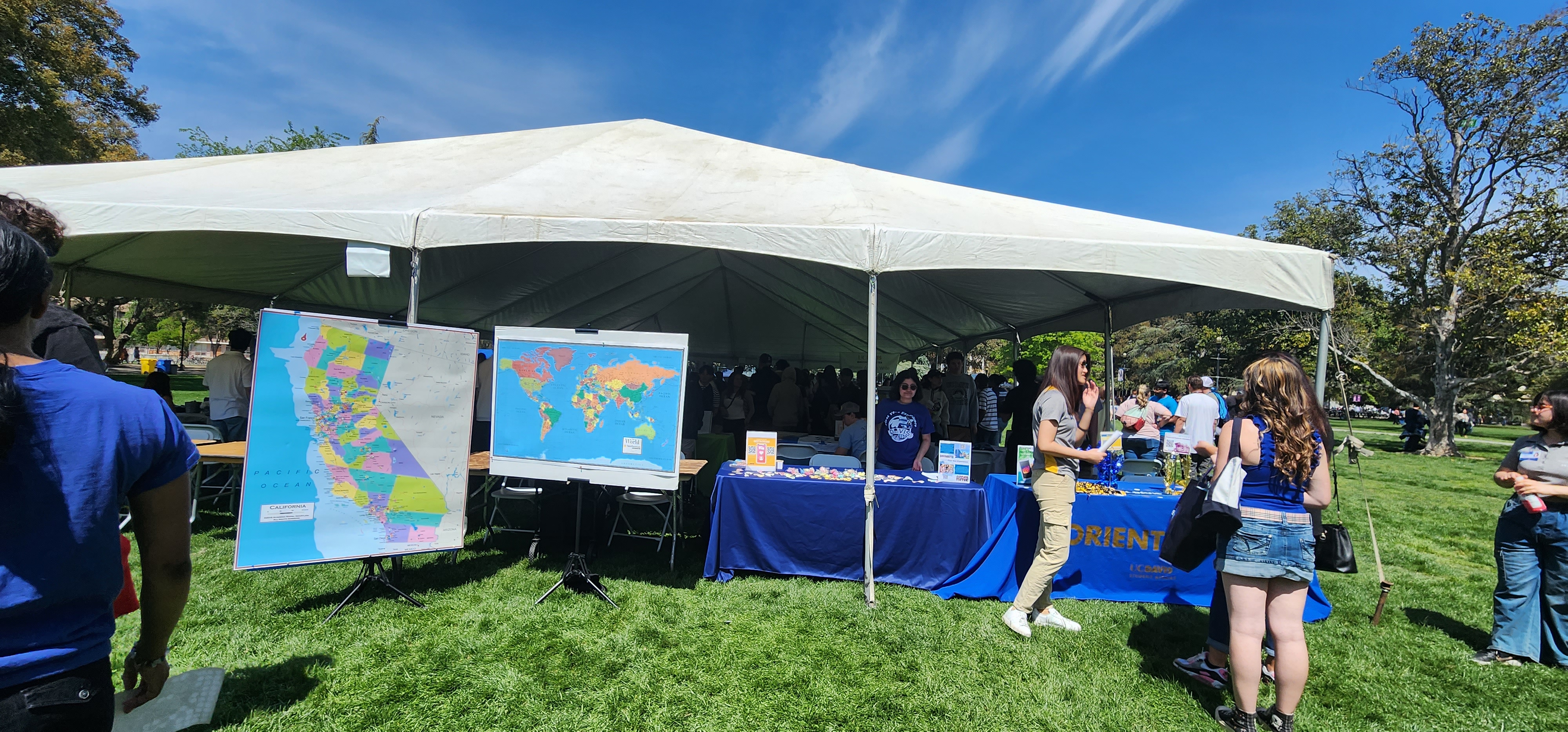
The Highlights
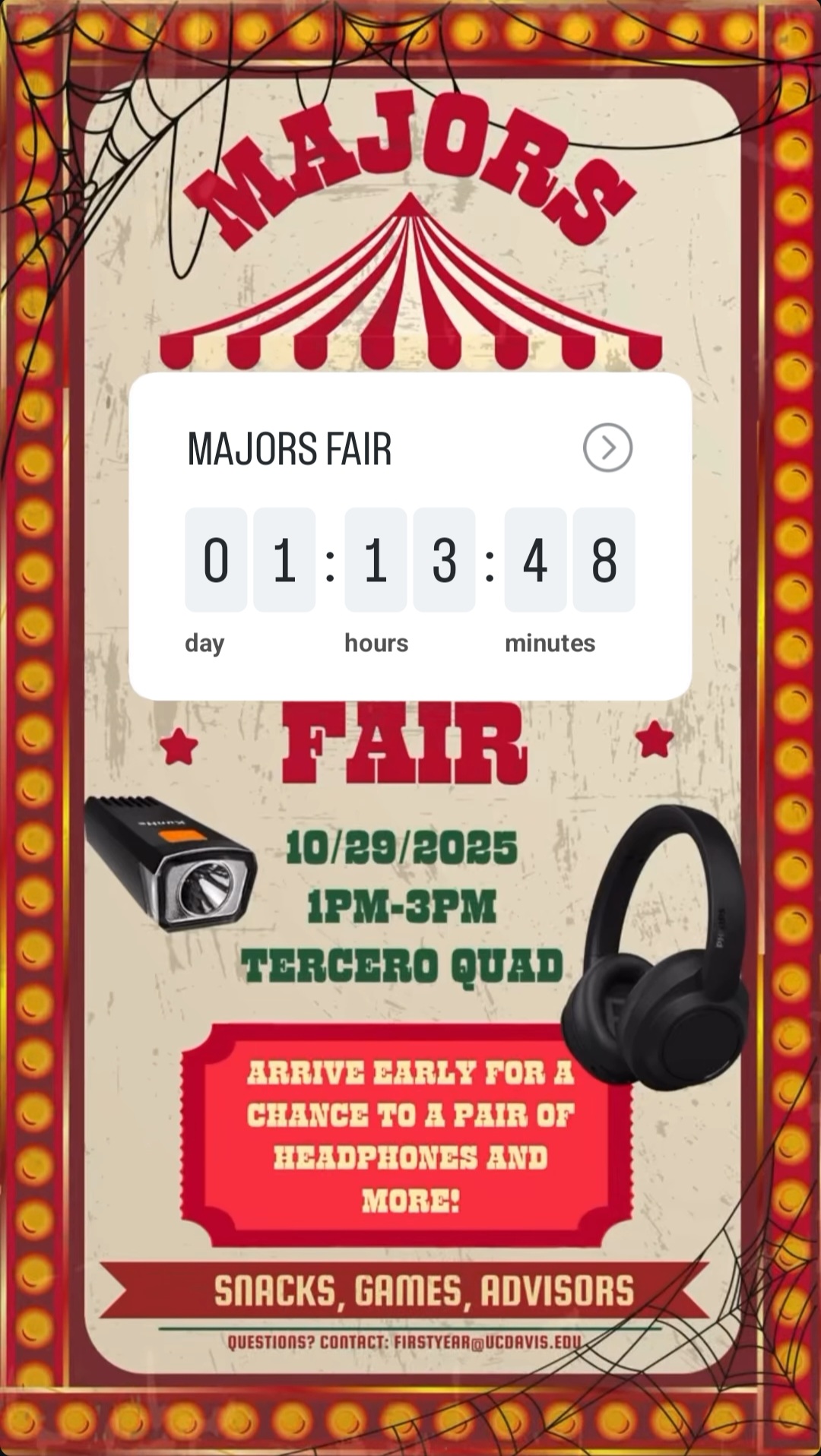
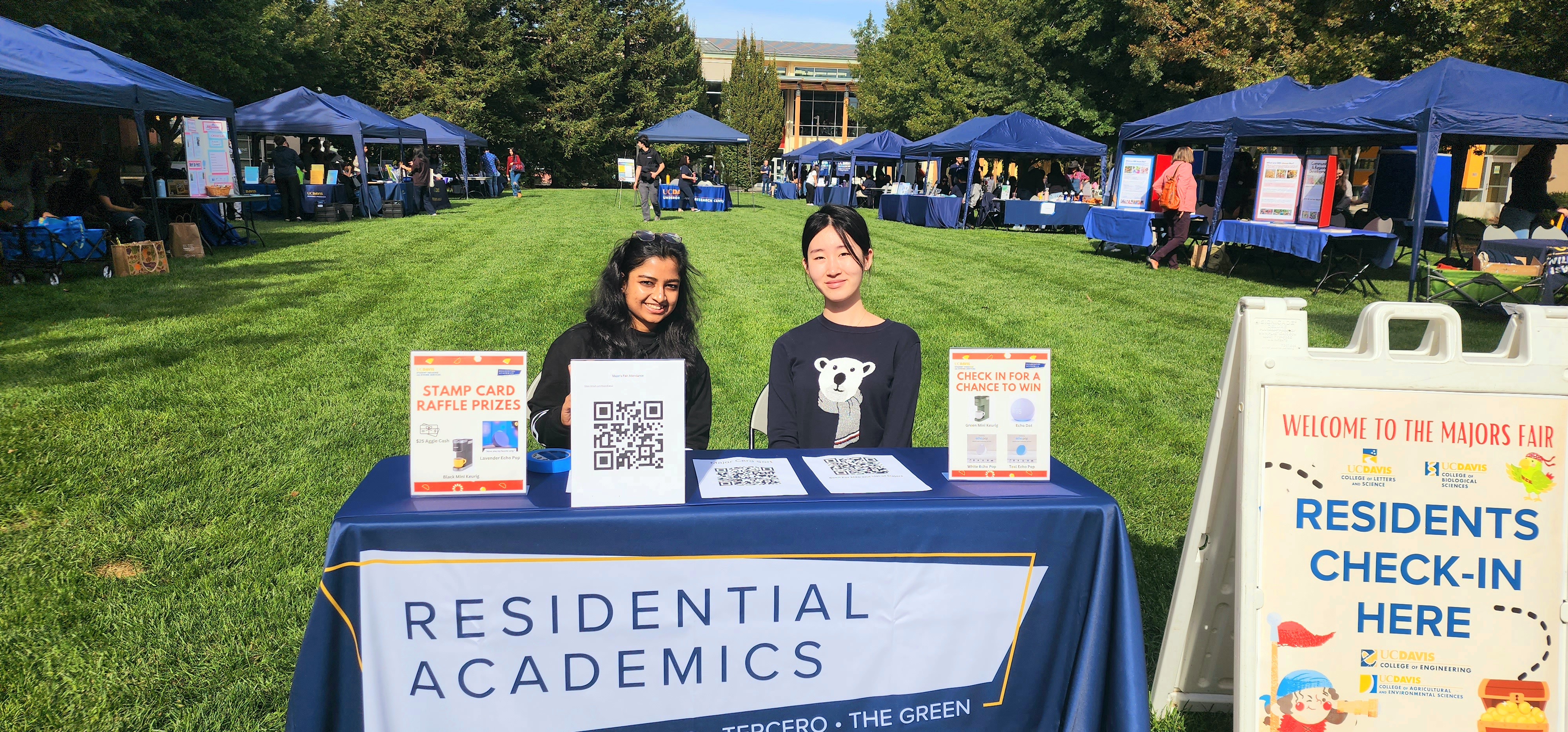
The Majors Fair: I led the planning and logistics for this flagship event, coordinating with every college department. I shifted the focus from "handing out flyers" to "creating memorable moments," ensuring students felt seen by advisors and faculty.
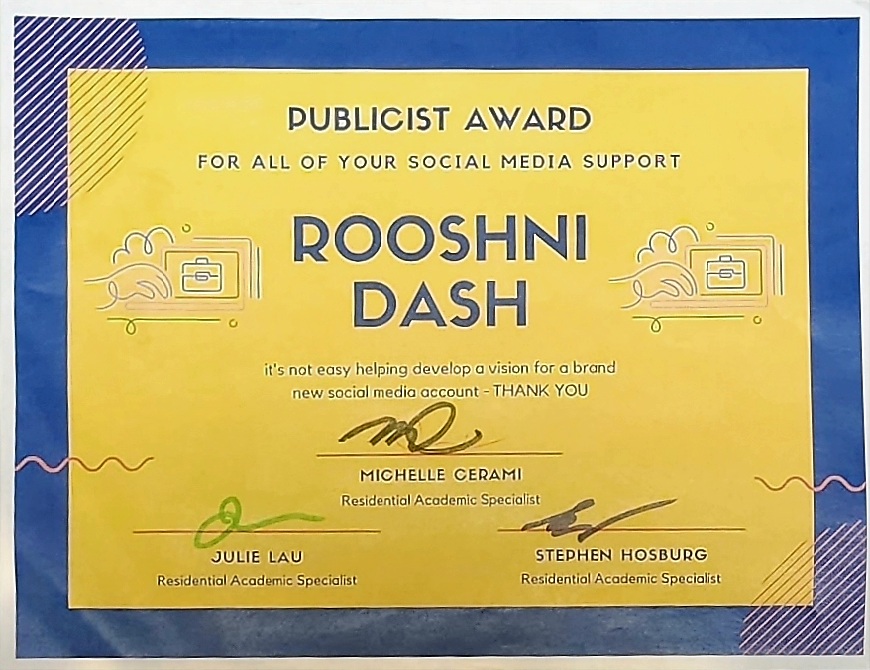
Social Media & Digital Presence: I jumpstarted FYE’s social media momentum, transforming it from a static announcement board into a dynamic community space for transparency.The Ethical AI Webinar: Recognizing the shift in academia, I contributed content to an AI webinar focused on responsible use and student awareness. I framed AI not as a cheating tool, but as an emerging literacy that required ethical guardrails—aligning my CS background with my leadership role.
The Approach
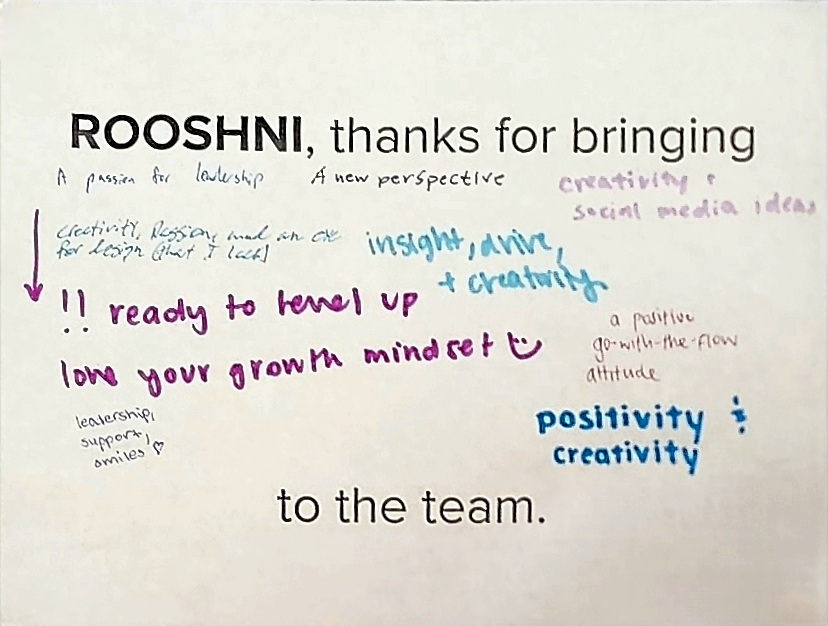
I applied a Growth Mindset to my leadership trajectory, moving from executing tasks to architecting environments where others could flourish.
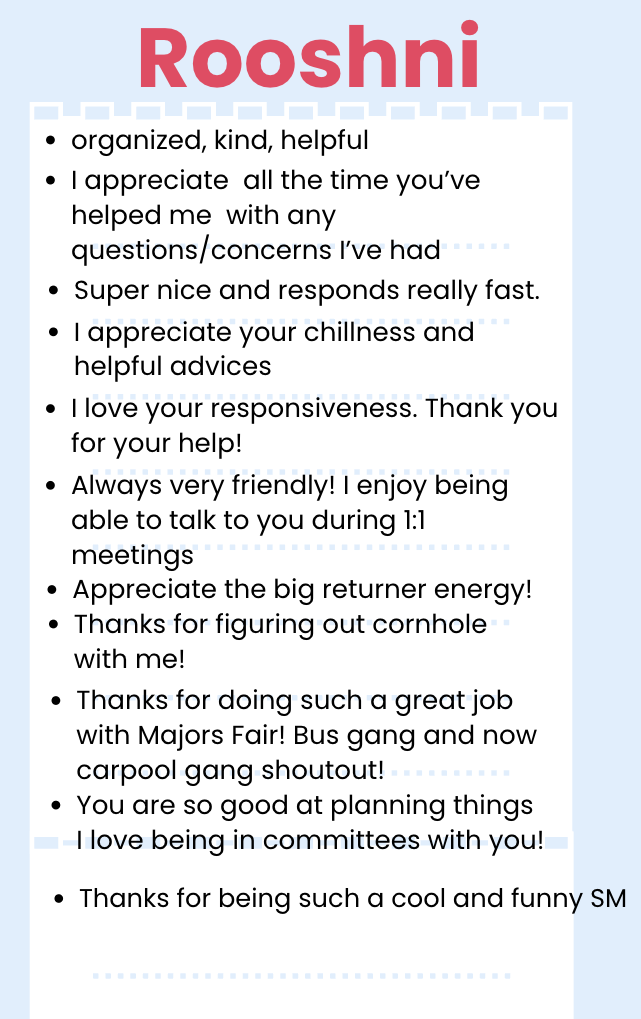
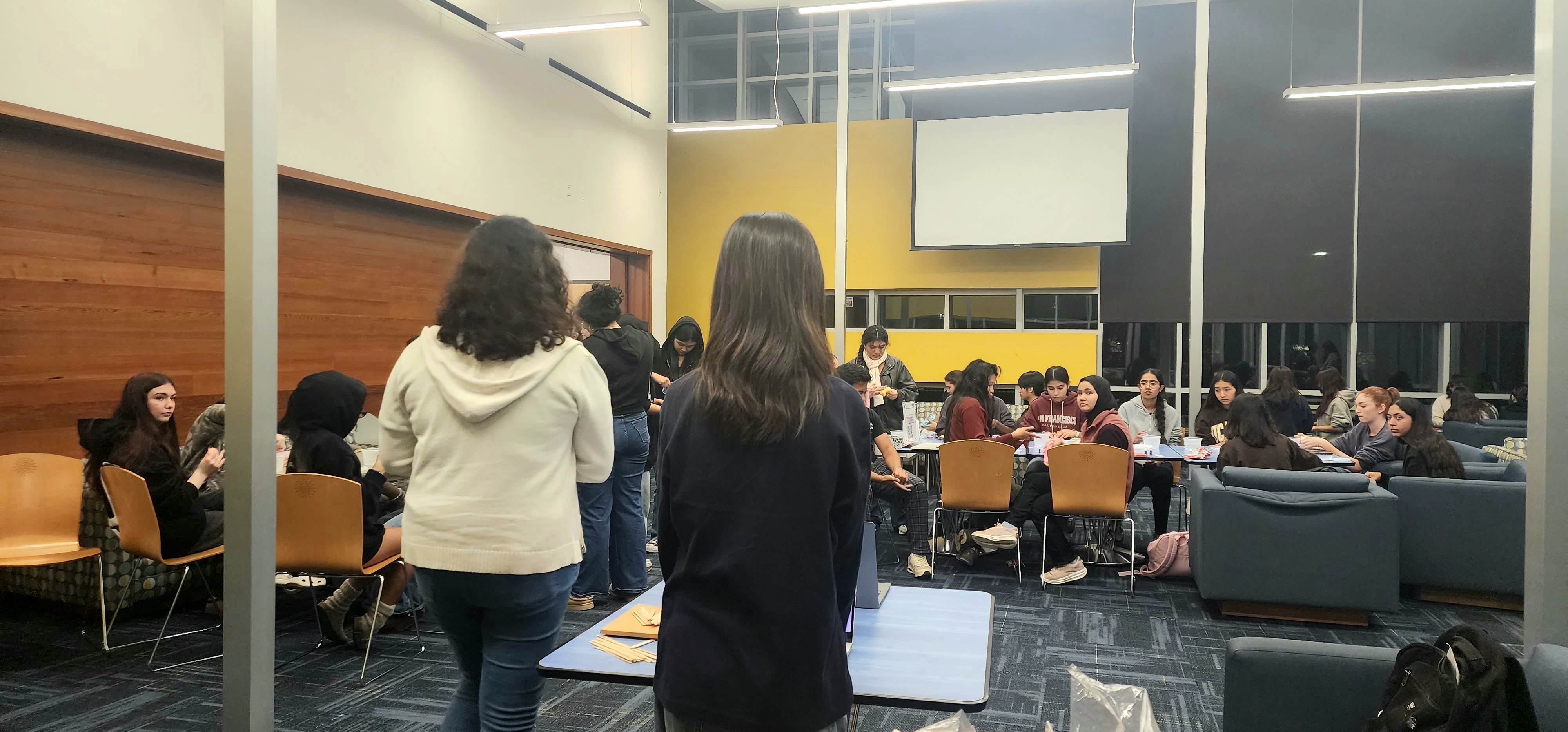
Research through Empathy: I conducted weekly 1:1 check-ins and "student concern" programs to gather qualitative data on student pain points. I realized that students didn't just need information; they needed a sense of agency.
Organizational Architecture: To manage the Majors Fair—a massive cross-departmental collaboration—I restructured our team’s delegation model. I acted as the "System Translator" between the high-level goals of the Vice Chancellor's Cabinet and the on-the-ground execution of my Peer Mentor staff.
![[interface] screenshot of app on a tablet (for a consumer apps)](https://cdn.prod.website-files.com/689687db816830fc9288fc79/6955f36bb0c72e9e582795df_20231130_110802.jpg)
.png)
![[digital project] image of a graphic design on a screen (for a web design agency)](https://cdn.prod.website-files.com/689687db816830fc9288fc79/6955f37dd9e3449b3146251b_Copy%20of%20Copy%20of%20Copy%20of%20Major%27s%20Fair%20(Real%20Estate%20Flyer).png)