Beyond the Headset: Decoding the Biometric Black Box of Emotion in VR
![[background image] image of contact office (for a general contractor)](https://cdn.prod.website-files.com/689687db816830fc9288fc79/695501af762b9f9bd90d7ec8_20251118_172520.jpg)
![[background image] image of contact office (for a general contractor)](https://cdn.prod.website-files.com/689687db816830fc9288fc79/69547f039f1570af77a143c0_Screenshot_20251013-184039_Gallery_remastered%20(1).jpg)
The Analysis Breakdown
The Problem
Most UX metrics focus on "what" a user does—clicks, completion times, and error rates. However, these metrics often ignore the "black box" of human emotion, especially under stress. In high-stakes environments, a user might complete a task while experiencing extreme physiological distress, which traditional data fails to capture. Our research aimed to investigate the regulation of fear: how does the conscious decision to "suppress" or "express" emotion impact the user's mental effort and performance?
Constraints: We had to maintain extreme reproducibility across 100+ participants with a small team of three Research Assistants. We also faced "physical constraints"—participants often experienced motion sickness, heavy sweating, and genuine terror, requiring a researcher who could manage both technical hardware and human safety.
The Team
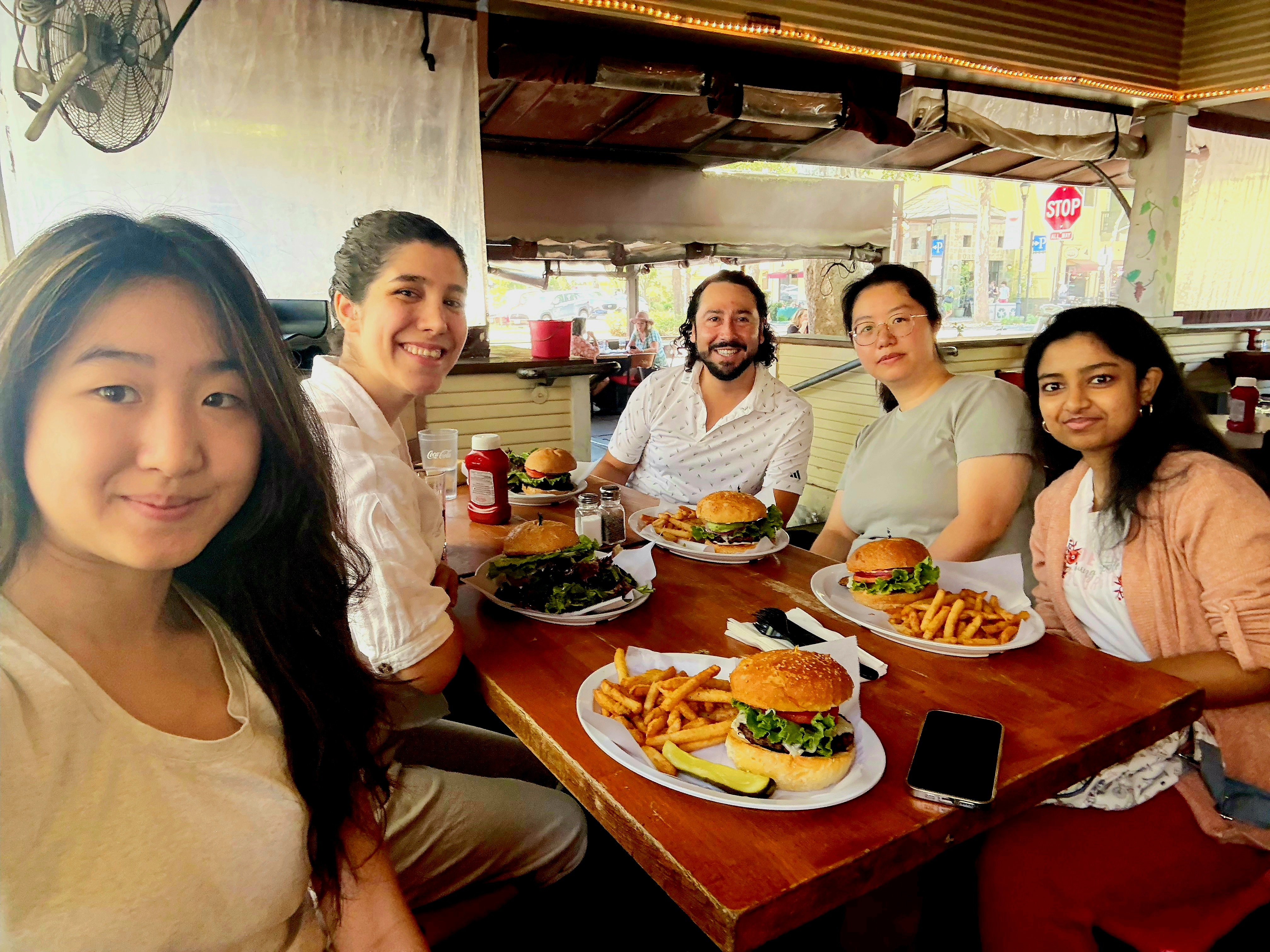
We are currently a team of 3 research assistants under supervision of Dr. Jorge and Grad student.
The Approach
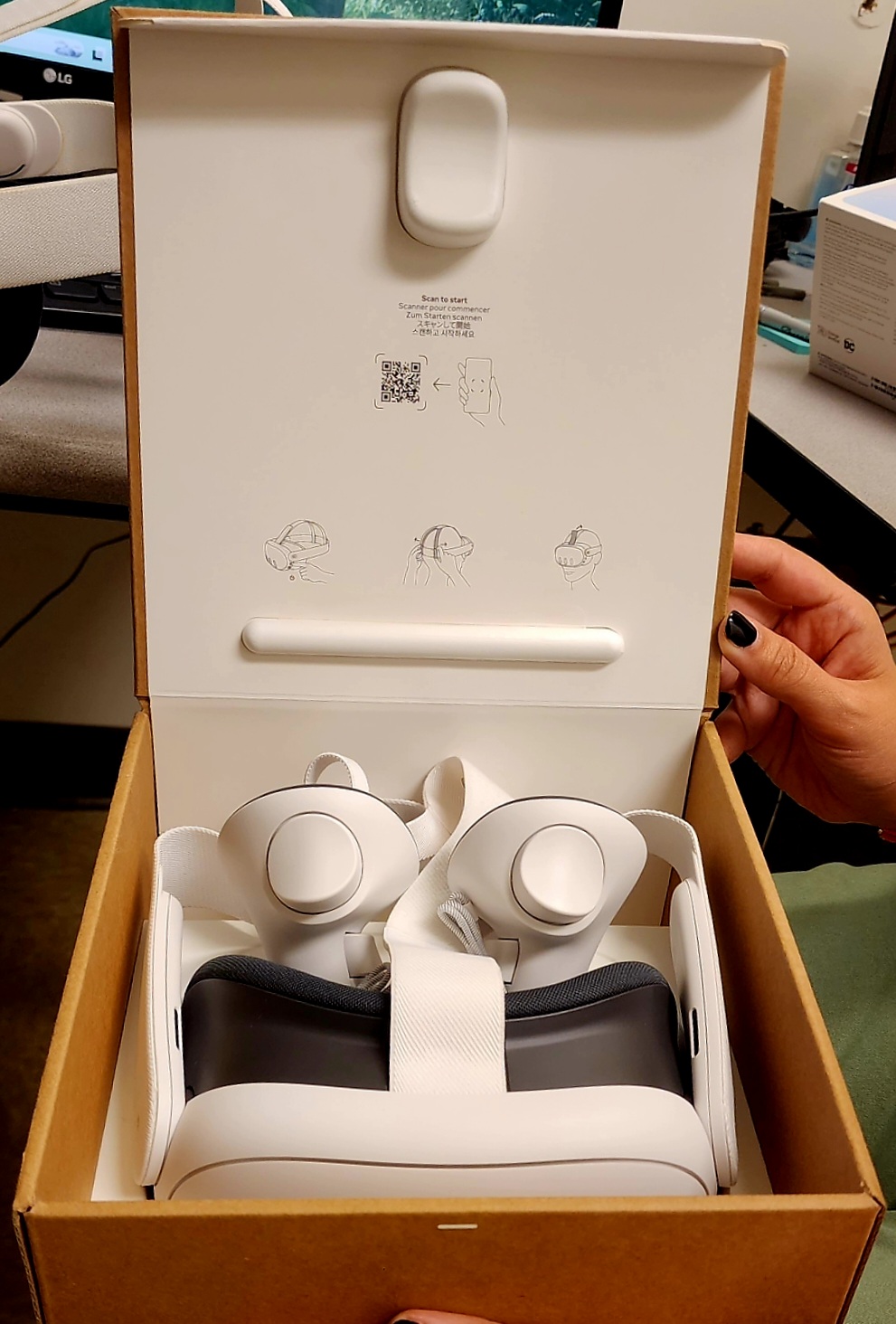
Technical Rigor: I managed the integration of SteamVR and Meta Link, ensuring background recordings were renamed and filed with zero data loss.Translating Chaos to Data: I had to time my prompts—“On a scale of 1-9, how afraid are you?”—at the exact moment a participant crawled out of a vent into the Alien's path. This required me to be "inside the game" with them, translating their screams and focus into structured metrics for the Masterfile.
The Approach
Experimental Design: We utilized a split-condition model. Participants were instructed to either Express Fear (letting emotions flow naturally) or Suppress Fear (consciously hiding their terror).
The Workflow: I developed a rigorous protocol that moved participants through a four-stage funnel:
1. Calibration: Pre-study surveys to establish baseline traits.
2. The Training Loop: A 10-minute tutorial to ensure "control mastery," reducing the "hidden curriculum" of gaming.
3. The Stress Event: Mission 18 of Alien: Isolation, with mid-game prompts triggered at specific physiological "climax" points (e.g., the first Alien encounter).
4. Synthesis: Post-study Qualtrics surveys and debriefing to turn raw experience into qualitative data.